Health & Wellness
Dehydration
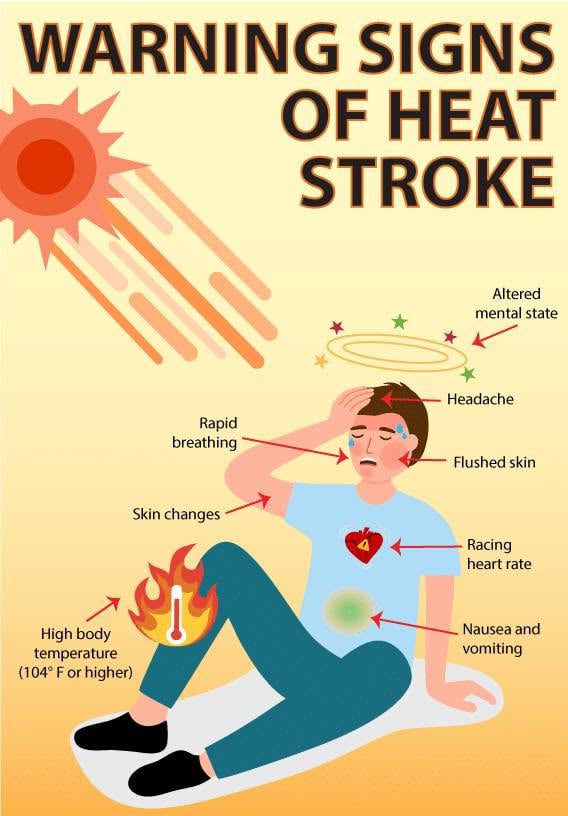
Not as dire as heat stroke, but serious enough, dehydration occurs when the body loses more fluids than it takes in, disrupting normal functions such as temperature regulation, circulation, and nerve signaling. Common symptoms include thirst, dry mouth, dark urine, dizziness, and fatigue. Less common or unusual symptoms can include irritability, difficulty concentrating, muscle cramps, rapid heartbeat, chills without a fever, and even temporary vision changes. It also can easily manifest with nausea and just plain not feeling well. When in doubt, drink some water. In older adults, dehydration may cause confusion or sudden changes in behavior. Severe dehydration can lead to low blood pressure, fainting, and serious complications affecting the kidneys and other organs. Drinking fluids regularly and replacing electrolytes during heavy sweating can help prevent dehydration.
It's far less painful to prevent dehydration or heat stroke than to suffer through either one. Let’s be smart desert dwellers.