Front PagePage 1
Look Up.
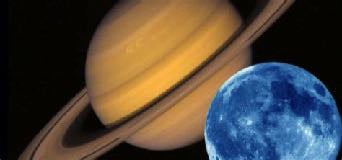
Skywatching Highlights January, 2026
- Jan. 10: Jupiter at opposition when Jupiter was at its brightest.
- Jan. 23: Saturn and Moon conjunction
- Jan. (throughout): Beehive Cluster visible from the Beehive State
Jupiter is currently visible in the night sky and will remain so throughout January 2026.
Best Viewing Times
- Rising: Jupiter rises shortly after sunset.
- Setting: It sets around sunrise.
- Peak Visibility: The planet is brightest and largest during its opposition, which occurred on January 10, 2026.
Location in the Sky
- Constellation: Jupiter is located in the constellation Gemini.
- Nearby Stars: Look for it near the bright stars Castor and Pollux.
Viewing Tips
- Naked Eye: Jupiter is bright enough to be seen without any equipment.
- Binoculars/Telescope: Using binoculars or a small telescope can reveal its four largest moons and atmospheric details.
For the best experience, find a dark area away from city lights and look towards the eastern horizon shortly after sunset.
If you have 2 ½ minutes, watch this video at NASA for a fine synopsis of January’s sky highlights. <https://science.nasa.gov/solar-system/skywatching/whats-up-january-2026-skywatching-tips-from-nasa/>